Weekend Bite Snapshot
For a beach trip, start with whiting and pompano on the Perdido Key–Pensacola stretch: shrimp close to shore, with shrimp and FishGum tested farther across the sandbar. In Pensacola Bay, target redfish around docks and grass edges with shrimp or cut mullet, and trout over grass with a popping cork or paddle tail. Pensacola Pass offers a heavier bull-red option on channel edges and current breaks. Along the Alabama inlets, keep small live baitfish on Carolina rigs in the rotation. The offshore plan includes bottom bait for grouper and a ballyhoo trolling presentation for blackfin; the weekend marine forecast still determines whether that run belongs on the schedule.
This Week’s Top Opportunities
Build the Pensacola Bay trip around redfish and speckled trout on docks, grass edges, and deeper shoreline edges. Around Orange Beach and Gulf Shores inlet water, keep a small live baitfish ready rather than relying entirely on artificial lures.
Start on the Perdido Key–Pensacola Beach stretch with a close shrimp bait for whiting and a farther shrimp-and-FishGum bait for pompano. Let the productive distance decide the next cast.
Choose between a bottom bait for Pensacola Pass bull reds, a fast-moving lure for Spanish mackerel, or a tight-to-the-piling fiddler-crab presentation for sheepshead. Each calls for a different position in the water column.
Keep the Orange Beach bottom-fishing and trolling setups separate. A frozen-minnow knocker rig reaches grouper near bottom; a ballyhoo swimming well behind the boat covers blackfin along an offshore ledge route. Use SafeBoat before choosing an exposed run.
Watch Report → Listen to Podcast →
Bottom Line Up Front
Match the trip to a specific presentation: shrimp and cork above Pensacola grass for trout, cut bait on a Pensacola Pass channel edge for bull reds, staggered shrimp baits in the surf for whiting and pompano, or a fiddler crab tight to a piling for sheepshead. Offshore, keep the frozen-minnow bottom rig and ballyhoo trolling spread ready for a suitable weather opening. Use the SafeBoat app to choose the route before committing to the long run.
What's Working This Week
| Target | Where to start | Depth or position | Bait and setup | Presentation |
|---|---|---|---|---|
| Redfish / trout | Pensacola Bay docks and grass edges | Along the edge; above grass for trout | Shrimp, cut mullet, paddle tail, or popping cork | Cast ahead; work the edge before moving |
| Whiting / pompano | Perdido Key and Pensacola Beach | Inner trough and across the sandbar | Shrimp; shrimp tipped with FishGum | Stagger distances; concentrate on the line producing bites |
| Bull redfish | Pensacola Pass | Channel edge and current break | Cut mullet / menhaden on a fish-finder rig; bucktail or swimbait | Hold a natural bait near bottom or cast to feeding fish |
| Sheepshead | Coastal bridge pilings | Bottom first, then progressively higher | Fiddler crab, size 2 hook, size 2 split shot, 20-pound leader | Drop tight to the piling; move when a piling stays quiet |
| Red grouper | Offshore bottom out of Orange Beach | Close to bottom | Frozen cigar minnow, 7/0 circle hook, 2-ounce knocker rig | Lower under control and keep the bait clear of structure |
| Blackfin tuna | Offshore ledge / drop-off route out of Orange Beach | Ballyhoo just under the surface, well behind the boat | Ballyhoo and small chugger, 8/0 trolling hook | Begin near 4 mph; confirm the bait swims without spinning |
Inshore / Back Bay
Redfish and speckled trout — Pensacola Bay: Live shrimp, cut mullet, and soft plastics give you different ways to work the same edge. For reds, put the natural bait where the grass ends or beside the dock's deeper side, then let it settle instead of constantly dragging it away. For trout, use a shrimp under a popping cork to keep the offering above the grass; a paddle tail or suspending twitchbait lets you search adjacent water. Watch for pinfish and other baitfish around the flat. Cast ahead of the boat and cover the outside edge before moving into shallow water. Exact depth changes with the flat, so use the grass height and nearby drop as the presentation reference rather than treating a fixed number as the fish's address.
Flounder — inlet pockets and structure: At Perdido Pass, West Pass, and Fort Morgan, test a small live baitfish on a Carolina rig beside inlet structure. Work it slowly near bottom. In the western Alabama pattern, 4–8-foot pockets beside rocks, docks, and seawalls have favored pink and dark-purple soft plastics, including paddle-tail and 5-inch jerk-shad styles. Use that depth pattern where the structure actually offers it; do not assume every inlet has the same bottom shape. The live-bait inlet approach is a practical option to test, rather than a promise of a bite at every named pass.
Mangrove snapper — inlet structure: Use the same small-live-bait Carolina rig near the protected structure of those Alabama inlets. Keep the offering close to cover and retain control to pull clear of it. This is a setup to test, not a guarantee of fish at every stop.
Surf & Beach
Whiting and pompano — troughs and sandbar edges: Place the close offering in the inner trough rather than automatically throwing every bait beyond the bar. Small shrimp pieces keep the bait manageable for whiting; tip a farther offering with FishGum and compare the bites. Around Pensacola Beach, the productive line can lie beyond the sandbar, so the close-rod test is a starting comparison rather than a rule to fish everything at your feet. Sand fleas and Fishbites on a pompano rig are additional choices along cuts and deeper troughs. Look for a section where waves break less consistently across the bar, indicating a possible cut or deeper opening. Move a quiet rod to the distance that is getting bites before replacing every bait and rig at once.
Redfish — beach bait schools: Cut mullet gives you a stronger bait profile where mullet are present along the beach. Place it along the deeper trough or the edge of a bait concentration instead of setting it on top of shallow sand. Carry tackle that can handle the fish without turning the fight into a prolonged beach chase. Use the actual fish response to decide whether to keep that setup in the spread. Review surf and access in the SafeBoat app before choosing the stretch, and keep the rod placement accessible from firm footing.
Nearshore / Pier
Bull redfish — Pensacola Pass: Channel edges and current breaks give you a defined starting point. Fish fresh cut mullet or menhaden on a fish-finder rig near bottom, or cast a large swimbait or bucktail when fish feed on bait near the surface. Let moving water carry scent and bait through the edge without allowing the rig to sweep uncontrolled into traffic or structure. The important depth is the channel edge holding fish, not an invented fixed reading for the entire pass. Rig for a strong fish, keep the drift or anchor position clear of the navigation route, and use the SafeBoat app to assess wind and pass conditions before setting up.
Spanish mackerel — Pensacola coastal structure: Watch birds and bait schools, then work a silver spoon, diamond jig, or Gotcha plug through the active water. A quick retrieve keeps the lure moving with the baitfish. Change angle or speed when fish follow without taking it. Confirm pier access before driving over, and concentrate on the bait-bearing side instead of spending the entire trip beside the most convenient railing.
Sheepshead — bridge pilings: A specific light setup is a size 2 hook, size 2 split shot, 20-pound leader, and 15-pound braid with a live fiddler crab. Lower it beside the piling to bottom, then raise the bait progressively if the bottom does not produce. Watch both a downward pull and sudden slack, because a fish can take the crab and swim upward. After a short, deliberate check of a quiet piling, move to the next face rather than feeding the same empty spot. Inspect the leader whenever it rubs the concrete or a fish pulls around the piling. Keep this as a structure technique; it does not identify a particular bridge as today's hotspot.
Offshore
Red grouper and reef fish — bottom presentation: Start with a frozen cigar minnow on a 7/0 circle hook and a 2-ounce egg sinker in a knocker rig, increasing weight only when current and line angle require it to reach the bottom cleanly. Keep contact without dragging the hook through the structure. The deeper jigging approach from the same Orange Beach offshore route included a 163-foot stop with a Squidtrex 110, 60-pound fluorocarbon leader, and 50-pound braid. Treat 163 feet as the reference for that jigging stop, not a universal grouper depth or a coordinate for a reef. The frozen-bait presentation and jigging setup are alternatives for different parts of the trip. Check the applicable harvest rules before retaining any reef fish.
Blackfin tuna — offshore ledges and drop-offs: On the 33–40-mile offshore route from Orange Beach, a ballyhoo behind a small chugger gives you a trolling option well back in clean water. An 8/0 trolling hook and 80-pound mono were part of that setup. Begin around 4 mph, inspect the bait alongside the boat, and correct any spinning before sending it back. Stagger distance and running depth if adding diving plugs closer to the boat, so the spread covers different water without crossing lines. Watch the sounder and the ledge rather than circling featureless water solely because a lure is swimming behind you. The weekend forecast makes this a plan for a suitable opening, not a reason to force a long run now.
Tides & Timing
The tide times below are for Alabama Point / Perdido Pass, NOAA station 8730667.
| Day | High | Low |
|---|---|---|
| Saturday | 8:53 PM (0.82 ft) | 5:34 AM (0.13 ft) |
| Sunday | 9:00 PM (1.00 ft) | 6:11 AM (-0.04 ft) |
Weekend Weather
| Day | Current NWS Marine Forecast |
|---|---|
| Saturday | Northeast winds 15 to 20 knots with gusts up to 25 knots. Seas 3 to 4 feet, occasionally to 5 feet. Wave Detail: East 4 feet at 6 seconds. |
| Sunday | Northeast winds 20 to 25 knots, diminishing to 15 to 20 knots in the afternoon. Seas 3 to 5 feet, occasionally to 6 feet. Wave Detail: East 5 feet at 6 seconds. |
Use the SafeBoat app to recheck the current marine forecast, radar, lightning, and pass conditions before leaving.
Marine Safety Watch
Saturday: Northeast winds 15 to 20 knots with gusts up to 25 knots. Seas 3 to 4 feet, occasionally to 5 feet. Wave Detail: East 4 feet at 6 seconds. Sunday: Northeast winds 20 to 25 knots, diminishing to 15 to 20 knots in the afternoon. Seas 3 to 5 feet, occasionally to 6 feet. Wave Detail: East 5 feet at 6 seconds. Thunderstorms can build fast along the coast. Check radar and lightning before launch, set a return time, and head in early if the pass or open water starts getting rough.
Fuel & Marina Notes
Call your marina before departure for today's price per gallon, available gasoline grade or diesel, and operating hours. The collected listings include stale or undated inventory prices, so they are not a reliable current-price comparison. Confirm access to the fuel dock as well as the fuel itself, and plan the return with a reserve instead of making the advertised range the trip's outer limit.
Angler Playbook
- Choose the target and the water first: Pensacola Bay edges, Pensacola Pass, the Perdido Key–Pensacola surf, or an offshore route.
- Rig the shrimp-and-cork trout outfit separately from a bottom bait for redfish; keep each offering at its useful depth.
- Test beach baits at different distances, then move the unproductive rod toward the distance getting bites.
- For sheepshead, begin at the piling's base with a fiddler crab and work upward; check the leader after contact.
- If trolling, check the ballyhoo at the intended speed before sending it back into clean water.
- Check SafeBoat for the route and return, then call the marina for current fuel grade, price, availability, and hours.
Bama Beach Life - Gulf Coast Fishing Report
Gulf Coast Fishing Report is your weekend fishing edge. Use SafeBoat to review wind, gusts, waves, radar, advisories, and the timing of your launch and return before choosing a Go / Caution / No-Go decision. Conditions can change between the dock and the fishing spot; the app supports your judgment and does not guarantee safety.
Watch video → Listen to podcast →
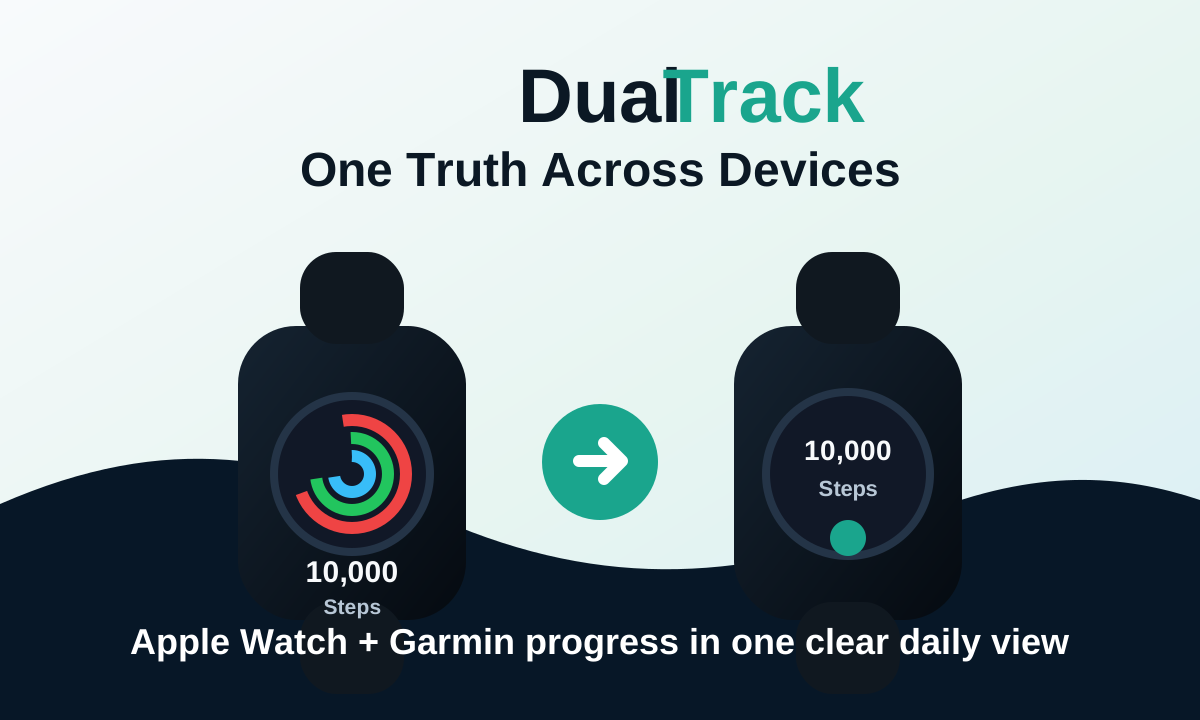
One Clear View of Your Progress Across Apple and Garmin
Life on the Gulf keeps you moving: walking the docks, loading the boat, chasing fish, working outside, and trying to stay healthy for the people who count on you. Dual Tracker helps Apple Watch and Garmin users see their steps, activity, and weight progress in one clear daily view. No more guessing which number is right. No more switching between apps and losing the bigger picture. Whether you are getting ready for a long day on the water, working toward better health, or simply trying to stay consistent for your family, DualTrack gives you the clarity to keep moving forward. Search Dual Tracker in the App Store and start tracking your real progress today.
Learn more →